

In addition, this guide explains Regulated Igaming Market with practical details and clear takeaways. Alberta is taking a major step forward in online gambling in Canada. The province’s move could matter for players, operators, and the wider economy. It also puts Alberta in the same conversation as Ontario, the first province to open a competitive model. For a broader look at the site’s poker coverage, visit mafbet poker.
Regulated iGaming market and why Alberta’s move matters
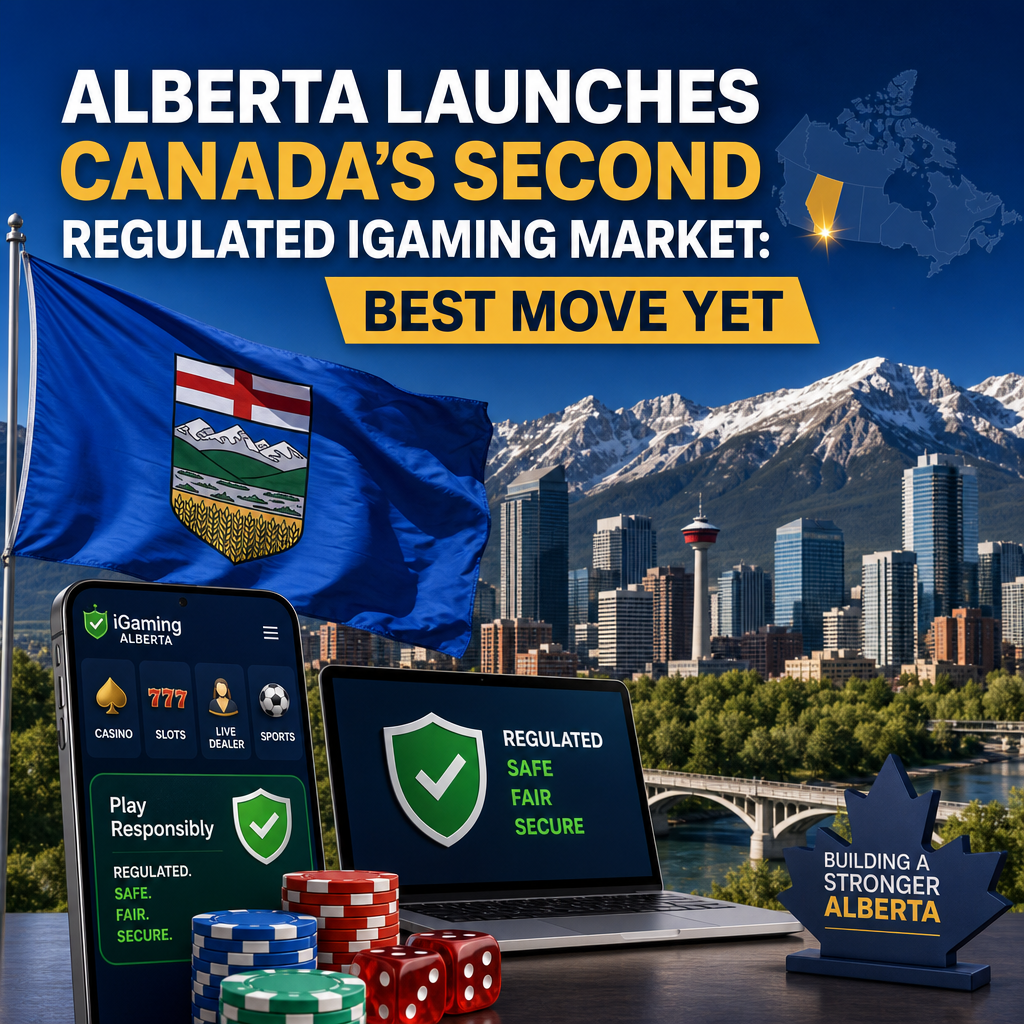
As a result, For years, Canadian online gambling lived under a patchwork of rules. Many players turned to offshore sites for more games, bonuses, and convenience. Ontario changed that pattern by opening a regulated market with private operators under provincial oversight. Alberta’s choice to follow that path matters because it may influence other provinces.
However, this is not only about access to online casinos and sports betting. It is also about modernizing a market that has long relied on less transparent operators. A regulated framework gives provinces more control over taxes, advertising, player safety, and anti-money laundering rules. For consumers, that means a safer and more reliable experience.
Regulated Igaming Market and what Alberta’s new market means
When people say Alberta launches Canada’s second regulated iGaming market, they mean the province is creating a framework for licensed operators. These operators can offer online gaming products under strict provincial rules. Depending on the final structure, that may include casino games, sports betting, poker, and other verticals.
For example, the big change is competition. Under a regulated model, several operators can enter the market instead of one government-run platform. That can lead to better odds, more game variety, stronger promotions, and faster innovation. Players get more choice, while the province gains licensing fees and tax revenue.
Meanwhile, Just as important, regulation can pull gambling activity away from offshore sites. Many players use those sites without understanding the risks. Those risks can include slow withdrawals, poor dispute resolution, and weak responsible gambling tools. A regulated Alberta market offers a legal and safer alternative.
Regulated Igaming Market and why the timing makes sense
Overall, Alberta’s decision comes at a time when online gambling demand is already strong across Canada. Mobile entertainment habits, broad internet access, and easy digital payments have all helped the industry grow. Sports betting has also surged since single-event wagering became legal nationwide. Online casino play continues to attract a wide audience, too.
The timing also fits a broader policy shift. Governments now see iGaming as something to manage, not ignore. By bringing it into a controlled environment, they can better protect consumers and keep economic value at home.
For Alberta, the move also matches the province’s business culture. Alberta has long supported enterprise, innovation, and competition. A regulated iGaming framework fits that model by opening the door to private investment while keeping government oversight in place.
Potential benefits for players
In addition, One of the strongest arguments for Alberta’s regulated iGaming market is the benefit to players. A legal framework can improve the gambling experience in several ways:
- Better consumer protections through licensing requirements and audits
- Clear payout rules and dispute processes
- Responsible gambling tools such as deposit limits, time-outs, and self-exclusion
- More transparent marketing and bonus terms
- Access to secure payment methods and verified games
These features matter because online gambling can be risky when players face little accountability. Regulation does not remove risk, but it does create guardrails that help reduce harm. It also gives players more confidence that games are tested for fairness.
As a result, Competition can improve value as well. In a regulated market, operators often compete on welcome bonuses, loyalty programs, live dealer options, and sports betting features. That can create a more lively and attractive marketplace.
Economic upside for Alberta
However, the economic case for regulation is strong. A licensed iGaming market can generate revenue through taxes, fees, and related business activity. That money can support public services, infrastructure, or responsible gambling programs, depending on how the province uses it.
For example, Beyond direct government revenue, the market can create jobs in technology, customer support, marketing, compliance, data security, and media. It may also attract partnerships with payment processors, software providers, and local service companies. As the digital gambling sector grows, Alberta could become a hub for gaming innovation and related commerce.
There is also a chance to keep gambling dollars in the province. Instead of using offshore sites that contribute little to Alberta’s economy, players can use regulated platforms that capture value locally. Over time, that shift could become increasingly meaningful.
Challenges Alberta will need to manage
Meanwhile, Of course, launching a regulated iGaming market is not simple. Alberta will need a framework that protects players without making the market too difficult for operators. If the rules are too strict, companies may stay away. If they are too loose, consumer protections may weaken.
Overall, Advertising will be a key issue. Online gambling promotion can become excessive if it is not closely watched. Alberta will need clear standards for bonus advertising, celebrity endorsements, and marketing aimed at vulnerable groups.
Responsible gambling must also stay central. A regulated market should include self-exclusion tools, support resources, spending controls, and monitoring for problem gambling behavior. These protections are essential if the province wants long-term success.
How Alberta compares to Ontario
In addition, Ontario’s regulated iGaming market is the clearest reference point for Alberta. Ontario showed that a competitive, provincially regulated model can attract major operators, generate revenue, and give players a legal alternative to offshore platforms.
Alberta may benefit from Ontario’s experience by avoiding some early mistakes and improving its own framework from the start. That could mean clearer licensing rules, better consumer messaging, and more balanced oversight. The two provinces may also compete in different ways, with Alberta tailoring its market to local needs and policy goals.
While Ontario is larger and more populated, Alberta has the advantage of learning from a proven model. That gives the province a strong base for building something efficient and player-friendly.
A smart move with long-term potential
Many observers see Alberta’s decision as one of the better policy moves the province could make in digital entertainment. It reflects changing consumer habits, supports competition, and creates a safer environment for online gambling.
More broadly, it accepts a simple reality: Canadians are already gambling online. The real question is whether they will do so in a regulated environment with real protections, or on offshore sites with limited accountability. Alberta’s answer is to bring the market into the open and manage it properly.
That approach may prove wise for both immediate revenue and long-term industry health. A well-regulated market can build trust, support innovation, and create a stable base for growth. If Alberta manages it well, the launch could become a model for other provinces considering similar reform. For context on the broader policy shift, see PokerNews coverage of Alberta’s iGaming market launch.
The bottom line
Alberta’s entry into regulated iGaming is more than a policy announcement. It is a strategic shift that could reshape the province’s digital gambling landscape and influence online gaming in Canada. By combining consumer protection, market competition, and public revenue potential, Alberta has made a move many will see as practical and progressive.
Whether it becomes a major success will depend on how the rules are written, enforced, and adjusted over time. Still, the direction is clear. Alberta is betting that a regulated iGaming market is not only the safer choice, but also the smarter one for the province’s future.